03 / The Reading Room
Books, passages and thinkers whose work meets ours. Open a card to see why, and where to read next.

The shelf
Where Beyond Words sits.
Beyond Words is a philosophical fable: a short story that carries an idea, in the line of wisdom literature from the Tao Te Ching to The Little Prince. It borrows from contemplative philosophy, from the philosophy of language and from modern performance psychology, and asks one question all of them share: what do we know before we put it into words? The works below are its neighbours on the shelf.
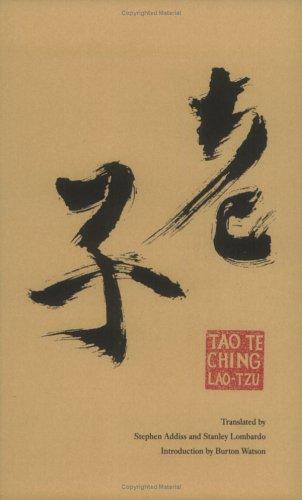
“The name that can be named is not the eternal name.”
Two and a half thousand years before the internet, the first warning about mistaking the word for the thing.
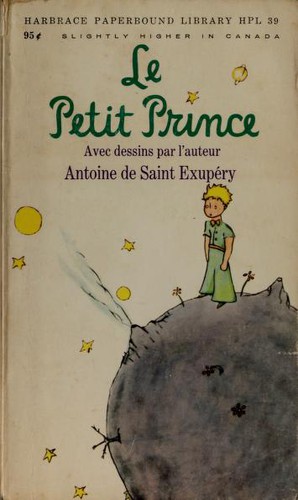
“What is essential is invisible to the eye.”
The fable every grown-up was given once. Beyond Words is written for the same reader, a few years later.
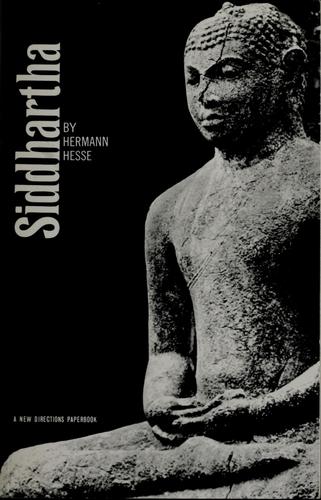
“Knowledge can be communicated, but not wisdom.”
A man who learns everything that can be taught, and then has to unlearn it. The same road Curious walks.

“Whereof one cannot speak, thereof one must be silent.”
Philosophy draws the border of language. Beyond Words tells the story of what lies on the other side.

“Truth is a pathless land.”
Krishnamurti dissolved his own order rather than lead followers down a path. In Beyond Words, there is no path either, the ground meets each step.

“Attention is the rarest and purest form of generosity.”
Weil treats attention as a moral act. Beyond Words starts from the same place: before anything can be known, it has to be noticed.

“Love is an activity, not a passive affect.”
Fromm insists love is practiced, not possessed. We read it alongside our essays on the things we can only learn by doing.

Self 1 tells. Self 2 knows how to move.
A tennis coach discovered that the voice in your head is the main opponent. The essays on flow start here.

“The notion that all these fragments are separately existent is evidently an illusion.”
Language helps us describe the world. But can it also shape the divisions through which we see it? Bohm explores how thought and language can fragment our experience of reality, a question at the heart of Beyond Words.

“All real living is meeting.”
Buber’s two ways of standing in the world, I–It and I–Thou, are the map of the journey Curious takes: from the world of labels to the world of meeting.