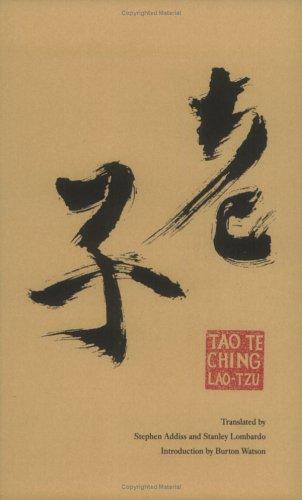
The Tao Te Ching opens by doubting its own medium. The way that can be spoken is not the constant way; the name that can be named is not the constant name. A book of eighty-one short chapters begins by admitting that words will fall short of what it wants to show.
Where it meets Beyond Words
Beyond Words begins at the same edge. Curious crosses into the Un-Wording, a place where names no longer hold things in place, and finds that the world does not fall apart without them. It becomes more alive. What Lao Tzu states as a principle, the fable turns into a journey.
The Taoist idea of wu wei, often translated as effortless action, runs through the essays as well. In “Are You Striving or Aligning?” the author quotes it directly: try not to try. Flow, alignment, getting out of your own way, they are modern words for a very old observation.
In the same tradition
Both books belong to wisdom literature: short, rhythmic texts that are meant to be returned to rather than finished. Neither argues. Both point. That is why readers of Beyond Words often describe it the way people describe the Tao Te Ching, as a book they keep nearby.